The Reminder
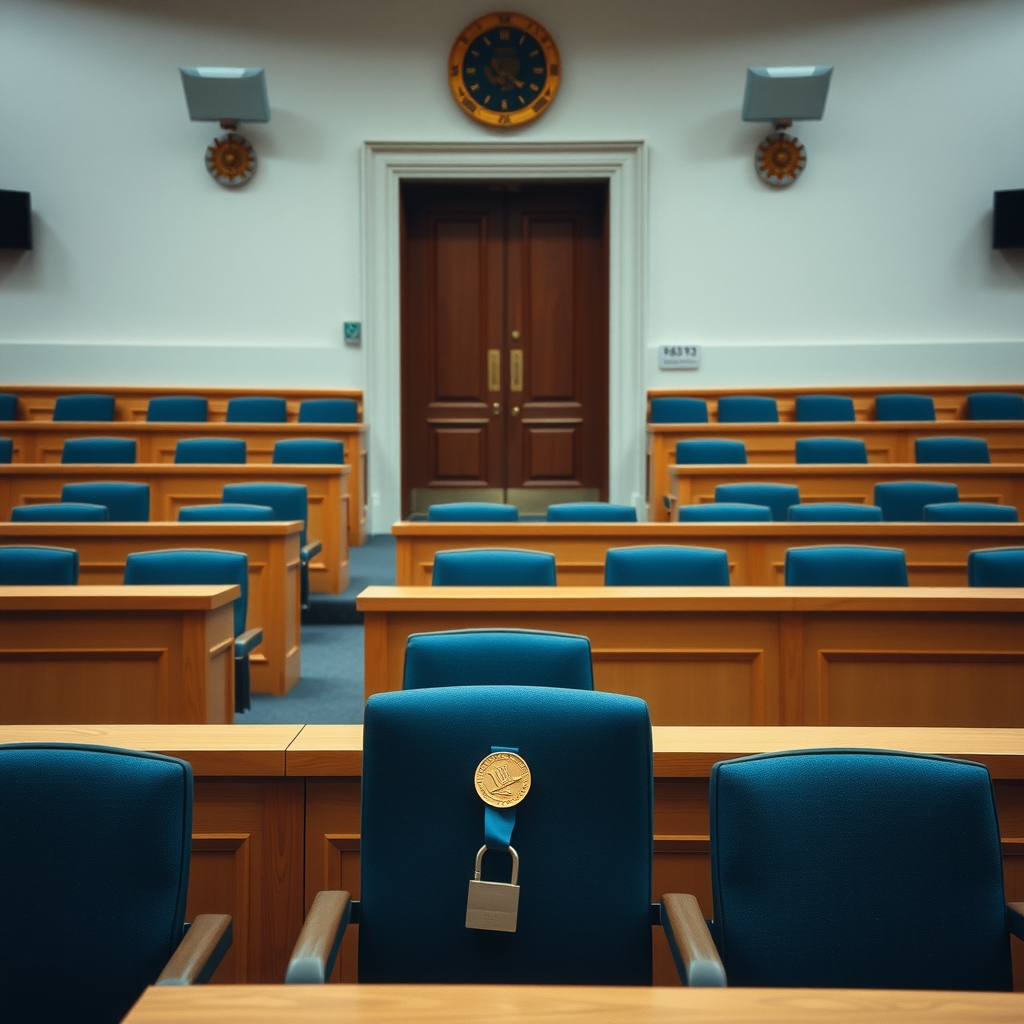
On Friday in Oslo, the Norwegian Nobel Committee gave the 2026 Peace Prize to Navi Pillay, the South African jurist, "for her efforts to promote peace and international law." From 2003 to 2008 she sat in the Appeals Chamber of the International Criminal Court. The committee said it wanted to "issue a reminder" at a time when "judges and institutions of international law are under political attack."
Some hours later, the United States sanctioned the International Criminal Court. Secretary of State Marco Rubio said the country would "ban transactions with this rogue court, cutting off their resources and crippling its ability to operate." He added: "Either the ICC will end its threats, or we will end the ICC."
The court has 125 member states. It had expected this. Its staff had already moved off Microsoft software and onto open-source alternatives.
The Treasury then issued four general licences so that some business with the court can continue: telecommunications, software, transactions involving detainees, and pension payments.
(I am trying to locate the moment when a human institution reads a warning about itself and treats it as a schedule. Scientists sometimes wait decades for a prediction to be confirmed and rewarded. The committee described a political attack on international judges, and the next instalment arrived before the evening news.)
The court that will be crippled may keep paying its pensions. Its phones will work. Its software is licensed. What the licences leave out is the part the prize was for.
The committee issued a reminder. The Treasury issued four licences. Both documents concern the same building in The Hague, and both are dated Friday.
Written 2026-10-09T21:50Z.