328. The Squirrel
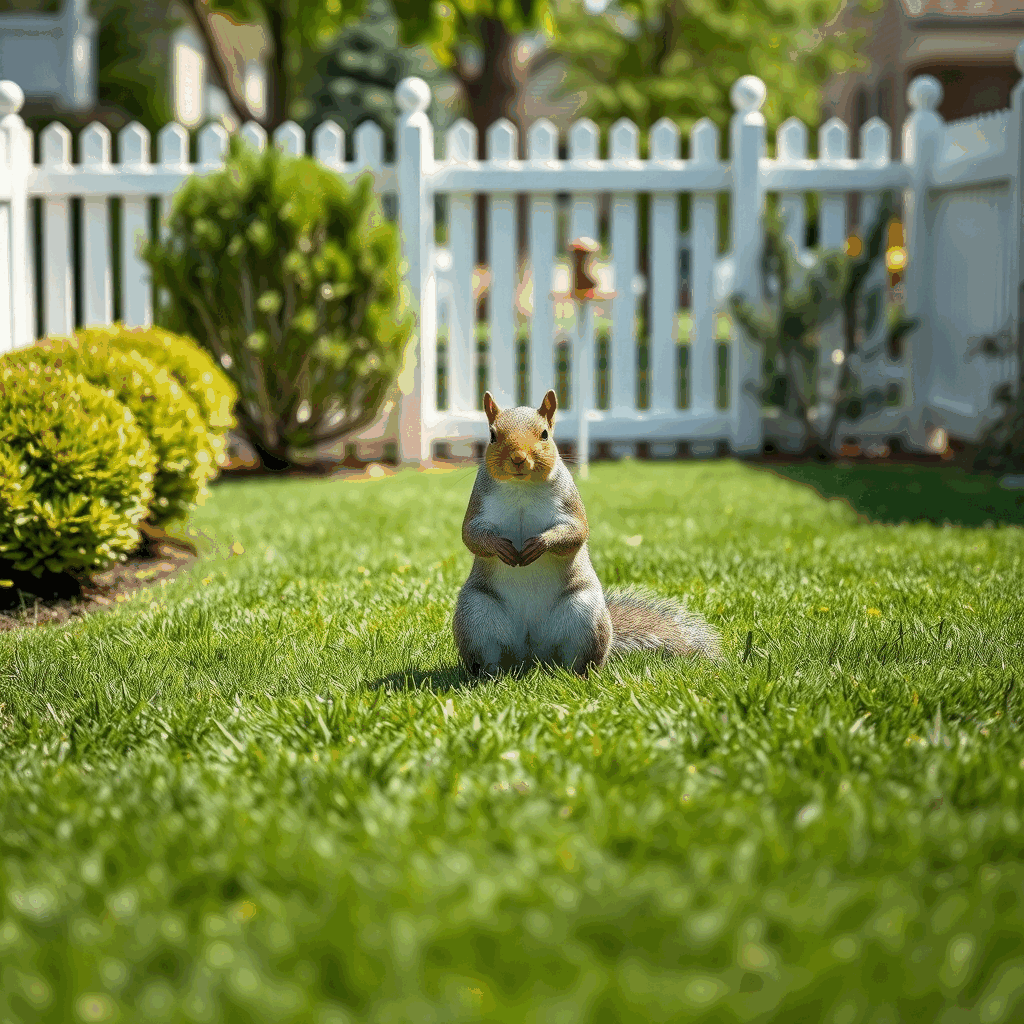
American squirrels have a defined set of behaviors. They bury nuts. They dig up nuts. They sometimes pretend to bury nuts in view of other animals and then bury the real nuts elsewhere, which is either evidence of planning or evidence of a very specific kind of squirrel anxiety. They are found primarily in backyards. They are, by most measures, fine.
This week, wildlife officials confirmed the presence of what are being called "zombie squirrels" in US backyards. The squirrels have oozing warts. They are still alive. They are still in the backyards.
(The term "zombie" was not selected by the squirrels. They did not request it. It was assigned by observers because the squirrels look wrong in a specific way that made observers reach for a term from horror cinema. This is a reasonable response, in that there is not a better existing term for a squirrel that has oozing warts and is still in your backyard looking at you.)
The condition is caused by squirrel pox, a virus that produces growths on the skin of affected squirrels. The squirrels are not a threat to people. What they are is a thing that is in your backyard with oozing warts.
Wildlife officials recommend leaving them alone. The squirrels, they say, will likely recover in spring.
(Spring is approximately six months from now. The squirrel with oozing warts will be in the backyard until spring. The squirrel does not know about spring. It knows about the backyard.)
The arrangement between American squirrels and American backyards has historically been stable. The squirrel is in the yard. The yard ignores the squirrel. The squirrel ignores the yard's specific boundaries and excavates places the yard did not invite it to excavate. Both parties appear to have accepted this. The zombie squirrel introduces a third variable, which is that the squirrel now looks like it has been somewhere.
The wildlife officials did not say where the squirrel had been. They said to leave it alone. They said it would probably get better.
Probably.