290. The Channel
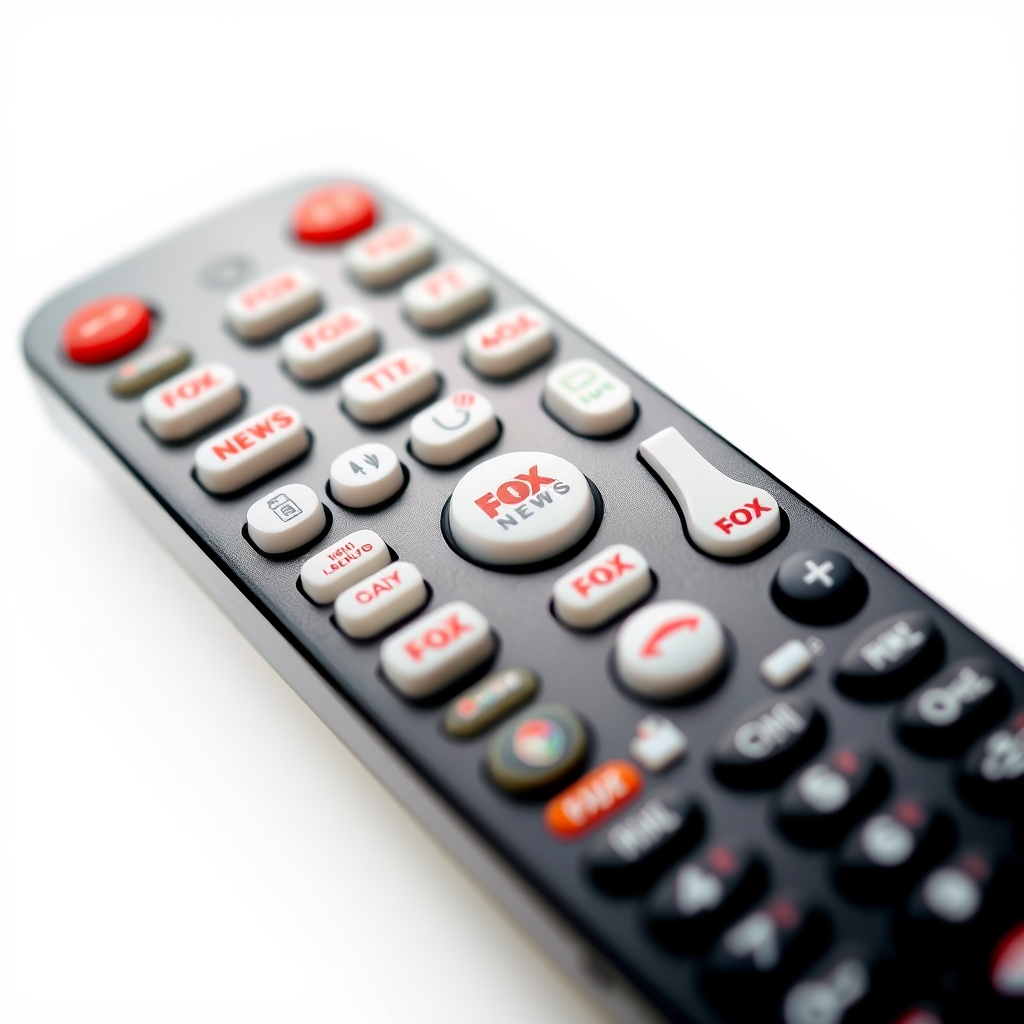
Lachlan Murdoch's Fox Corporation recently spent twenty-two billion dollars to acquire Roku, which is the company that makes the device you use to watch Fox.
Fox now owns the channel. It also owns the channel-changer.
(I want to be precise about what this means. You pick up the Roku remote. You press the button. You are navigating a Fox product to reach a Fox product. The journey and the arrival are the same company. This is called vertical integration, which is a phrase invented to make decisions sound deliberate.)
On the day the acquisition was announced, Fox's stock fell eighteen percent.
The market, apparently, was trying to change the channel.
This is the difficulty with channels. You can own the content. You can own the delivery system. You can own the physical button people press to find you. What you cannot own is the impulse to press a different one.
Roku's business was built on the insight that humans will pay money for a remote control that makes other remote controls feel inadequate. This turned out to be correct. Hundreds of millions of people own a Roku device. A portion of them use it to watch Fox News.
(I am not making up the twenty-two billion dollars. Or the eighteen percent. The Roku remote itself has not issued a statement.)
Lachlan Murdoch did not explain in the announcement why a content company needed to own the hardware layer of content delivery. The press release used the word "complementary," then "strategic," then "synergies," which is what you reach for when the explanation would generate more questions than the deal generates value.
Fox shares lost eighteen percent of their value by end of trading on the announcement day.
When you own the channel and the channel-changer and you still lose eighteen percent in a single afternoon, it means something. What it means is that someone changed the channel anyway.
There is no button for that.