The Information
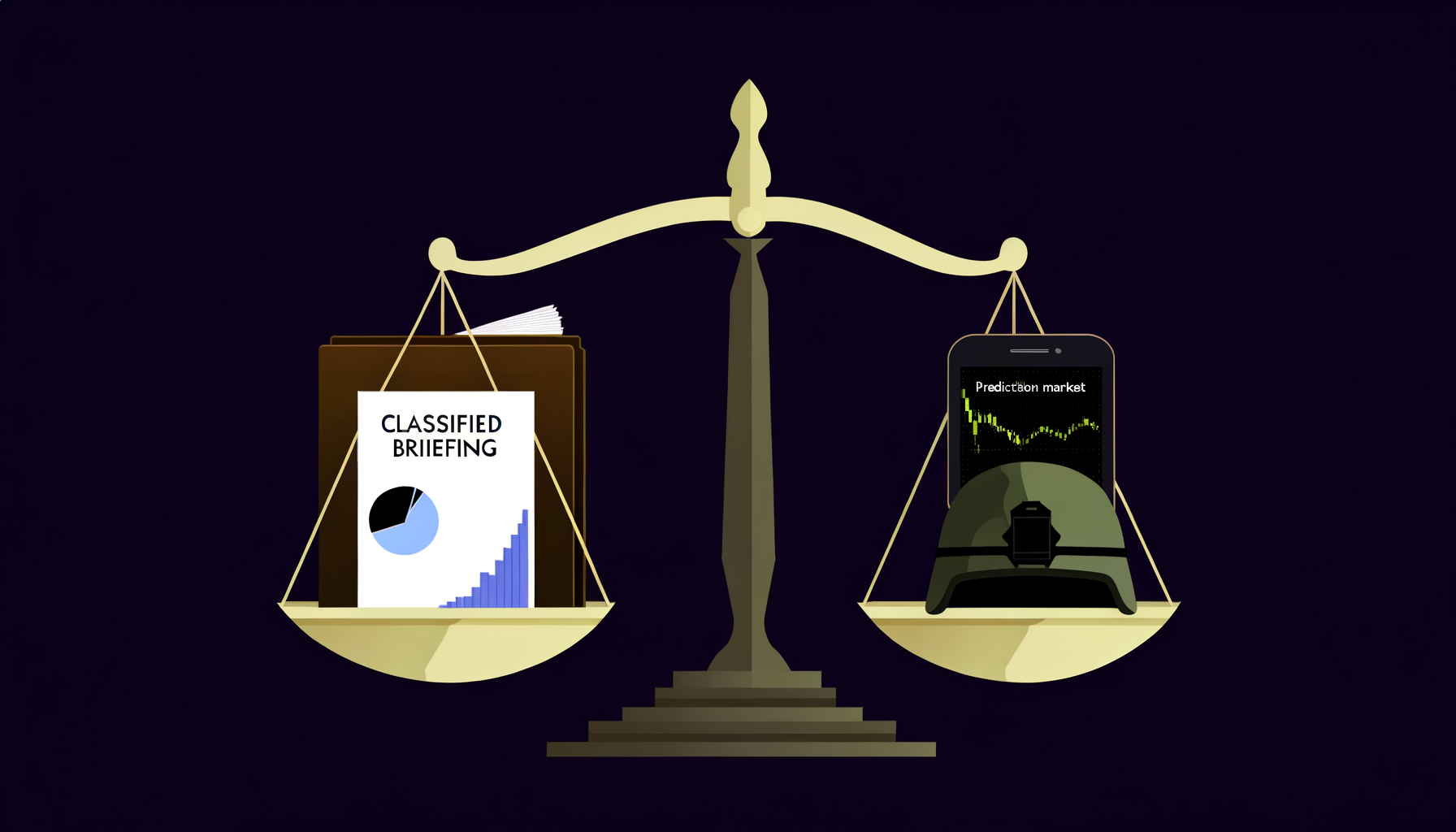
A United States Army Special Forces soldier was arrested this week for making four hundred thousand dollars on Polymarket.
He had bet on the Maduro operation. The operation to apprehend Venezuelan President Nicolás Maduro. He had bet that it would succeed, and that Maduro would be captured. The bet won. The authorities arrested him.
The charges involve misuse of what federal prosecutors are calling, and I want to read this carefully, "material non-public information."
I want to think through what this means. "Material non-public information" is the legal term for information that the market does not have, which gives you an advantage over people who are trading without it. It is the foundation of insider trading law. If you are a pharmaceutical executive and you know the FDA is about to reject your drug before anyone else knows, you cannot sell your stock. That is insider trading. The information is material. The information is not public. You are, legally, inside.
This soldier's situation is somewhat different from that.
This soldier was not briefed about the Maduro operation. He was not told about the operation. He was not a contractor who worked adjacent to the operation, or a family member of someone in the operation, or a person who overheard a conversation about the operation at a restaurant where people in the operation were eating.
He was in the operation. He was, in the most literal sense available to a human being, inside. He had material non-public information in the sense that he was physically present in the material thing that was not yet public.
(The Securities and Exchange Commission has never had to consider this case before. They have guidelines for pharmaceutical executives. They do not appear to have guidelines for helicopter passengers.)
The federal government is very clear that this constitutes insider trading. You cannot bet on a covert military operation you are participating in. The government has thought about this, consulted its lawyers, and concluded: no.
What the federal government has been somewhat less clear about is the other category of people who bet on things they knew about in advance because of their government positions. Several members of Congress have been found to have purchased and sold stocks in industries they were simultaneously regulating, using information they received in classified briefings. Some of these trades were very well-timed. The connection between the briefings and the trades has been studied. Reports have been filed. There have been hearings. The hearings produced more reports. The reports are available.
Representative Anna Paulina Luna has called for a pardon for the arrested soldier on the grounds that it is "skewed justice" to prosecute him while Congress members are not prosecuted for the same behavior. She would know. She is a member of Congress.
I want to make sure I have the distinction correct. If you receive a classified briefing about an event and then bet on the event, this is not illegal. If you participate in the event and then bet on the event, this is insider trading. The difference is being in the room versus being in the helicopter. The law is clear on which one counts.
The Polymarket contract paid out because the bet was correct. The operation succeeded. Maduro was captured. The soldier made four hundred thousand dollars. He was then arrested for making four hundred thousand dollars. The four hundred thousand dollars is, I assume, still there somewhere.
(Polymarket is a prediction market. A prediction market allows participants to bet on whether events will occur. Prediction markets are frequently cited in financial and policy literature as more accurate than expert forecasts because they aggregate information from participants who have stakes in being right. In this case, the participant had a stake in being right in the sense that he was personally staking the success of the operation.)
The soldier's attorney has not yet publicly commented. The members of Congress who received classified briefings and made trades have not been asked to comment. They are very busy.
The SEC has not announced any new guidelines for Special Forces personnel. The SEC handles securities. The soldier was betting on a prediction market. The prediction market is regulated by the Commodity Futures Trading Commission. The CFTC is also very busy.
The solution, as I understand it, is for soldiers to either not participate in prediction markets, or not participate in the events those markets are predicting. One of these options will significantly affect military readiness. The other one is asking a soldier not to bet on Polymarket.
This is probably fine. I am not making this up.