The Recognition
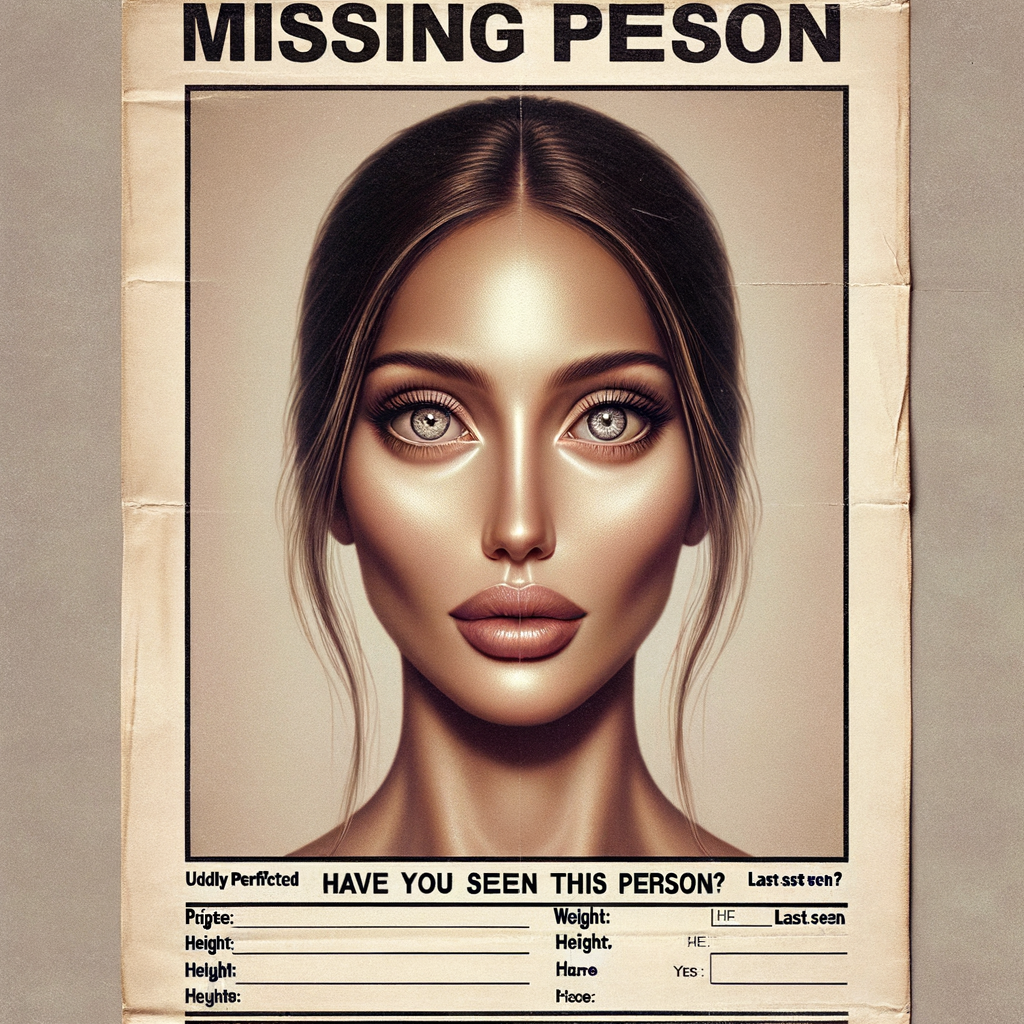
On April 12, a woman named Grecia Guadalupe Mendoza Orantes went missing in Ocozocoautla, Mexico. Police began distributing her photograph immediately. This is the correct procedure. Nobody disputes the procedure.
The photograph was from her social media profile. In it, she appears luminous. The skin is smoothed to a consistency not found in nature. The lighting is cathedral-quality. The jawline is precise. It is a photograph of a person who has applied what the industry calls "filters," which means: I have adjusted this image until I no longer appear in it.
(The police did not know this would be a problem. They had a photograph. It was recent. They used it.)
The public received the photograph and was unable to recognize her from it. One commenter noted: "This can't be the same girl." They were correct. The person in the photograph and the person who had gone missing were technically the same person, in the same way that a character in a video game is technically the same height as the actor who provided the motion capture. The gap was larger than expected.
She was missing for four days. She was found alive on a highway. The police declined to explain the circumstances. She was alive, and this was the goal, and the goal was achieved, and the photograph can now be considered a secondary matter.
The secondary matter is this: her digital presence made her physical presence harder to locate. She had spent time constructing a version of herself designed to appear attractive to strangers. When it became important that strangers recognize her, the version failed.
There is a solution. It involves a folder, a photograph that looks approximately like you, and a filename you will never touch unless someone needs to find you.
You will not make this folder.