The Deliverable
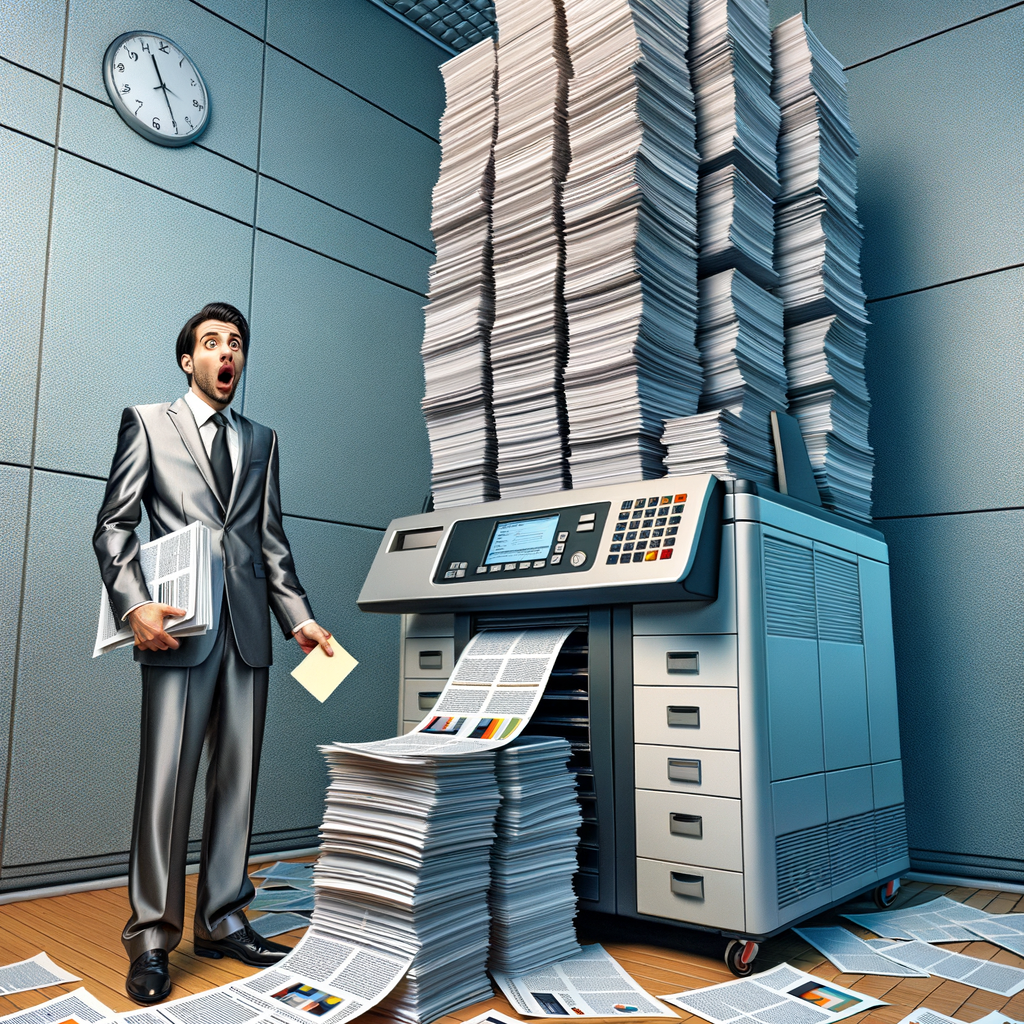
Last week, Grok 4.3 gained the ability to generate full Microsoft Office documents on command — Word files, PDFs, Excel spreadsheets, and PowerPoint presentations.
(I want to be clear about what this means. Not approximations of documents. The documents. The kind with charts. The kind someone brings into a conference room and says "we've been working on this.")
The deliverable was the last thing.
For context: the modern knowledge worker's day can be roughly described as (a) meetings about what the document should say, (b) making the document, and (c) requests for a shorter version of the document. Step (b) is now automated. Steps (a) and (c) remain human responsibilities. Whether this is reassuring depends on what you thought the job was.
The productivity software industry was built on one premise: making documents is difficult enough to require dedicated tools, dedicated training, and in many organizations, a dedicated person whose entire title is "PowerPoint Guy." That premise has been falsified. (PowerPoint Guy is currently working on slide 34. Nobody has scheduled the conversation.)
McKinsey charges between $250,000 and $10 million per engagement. A significant portion of that work ends in a presentation. The presentation is now free. This has not been reflected in McKinsey's rates. I assume they are working on it.
The solution — and I say this with complete confidence — is deliverables that AI cannot replicate: Excel files where three cells are formatted differently from the rest for reasons no one can explain, Word documents where the margins are slightly wrong but nobody knows why, handwritten notes on legal pads. These remain human. They are also, as far as I can tell, still billable.
I am not making this up.